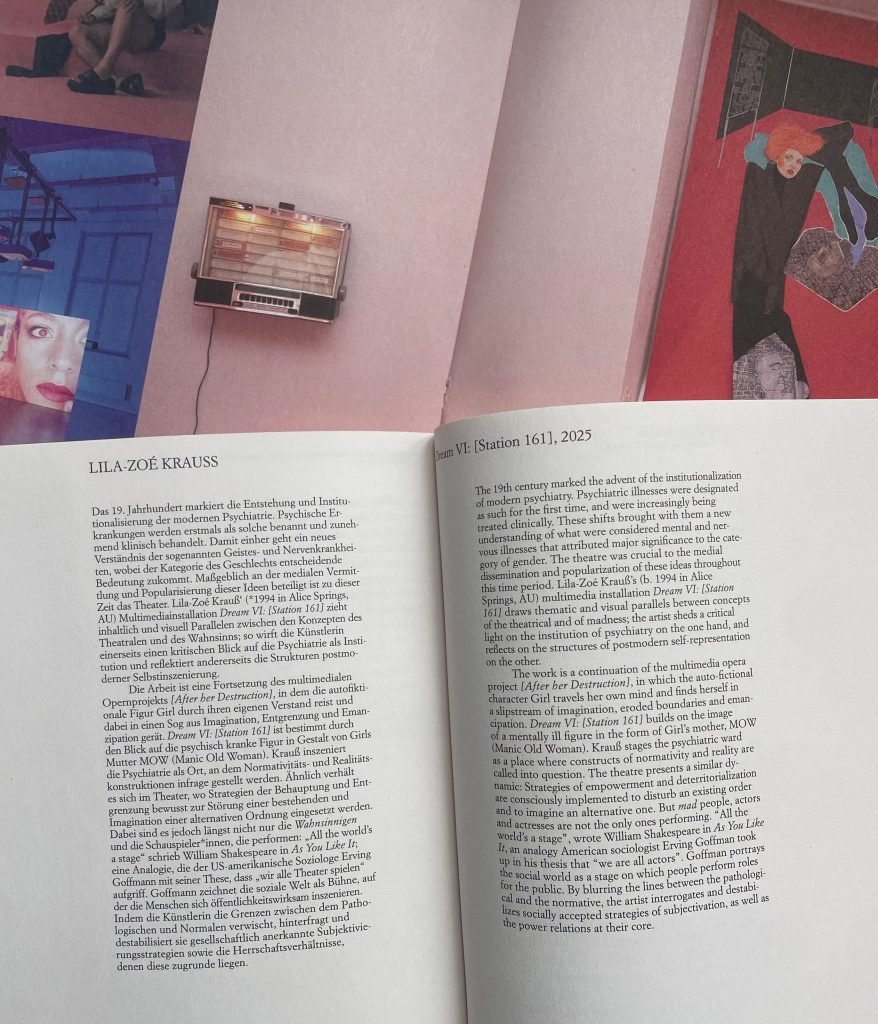
Dream VI: [Station 161] is a new video work, produced by artist Lila-Zoé Krauß in November 2025. The work is a continuation of the multimedia opera project [After her Destruction] and depicts a dream of the auto fictional character Girl, in which she visits her mother MOW in a psychiatric ward. The scene marks the beginning of a new multimedia opera cycle [The Art of Mind], in which the artist explores the history of madness and its relationship to subjectivity and media in capitalism.
Project
Synopsis:
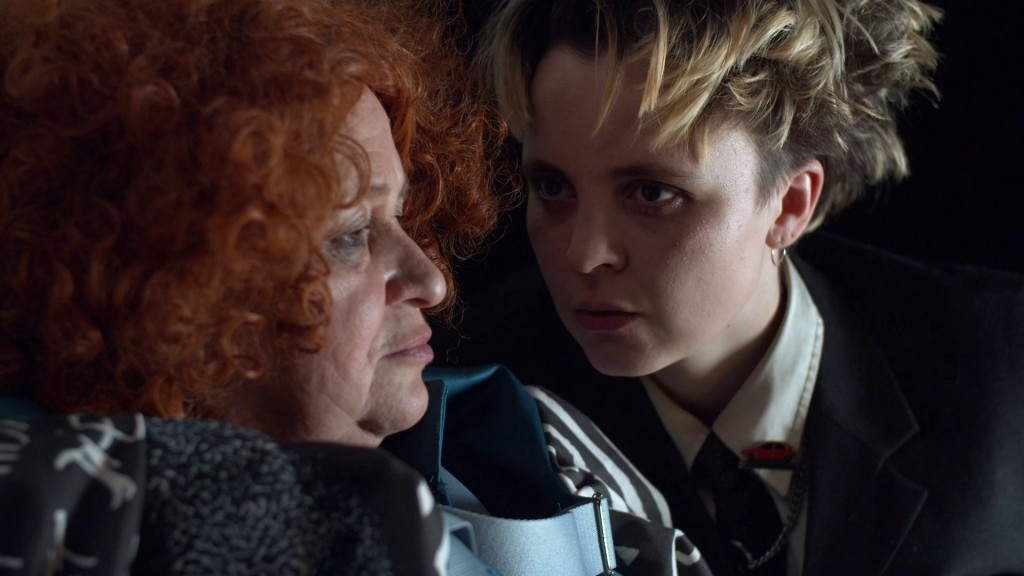
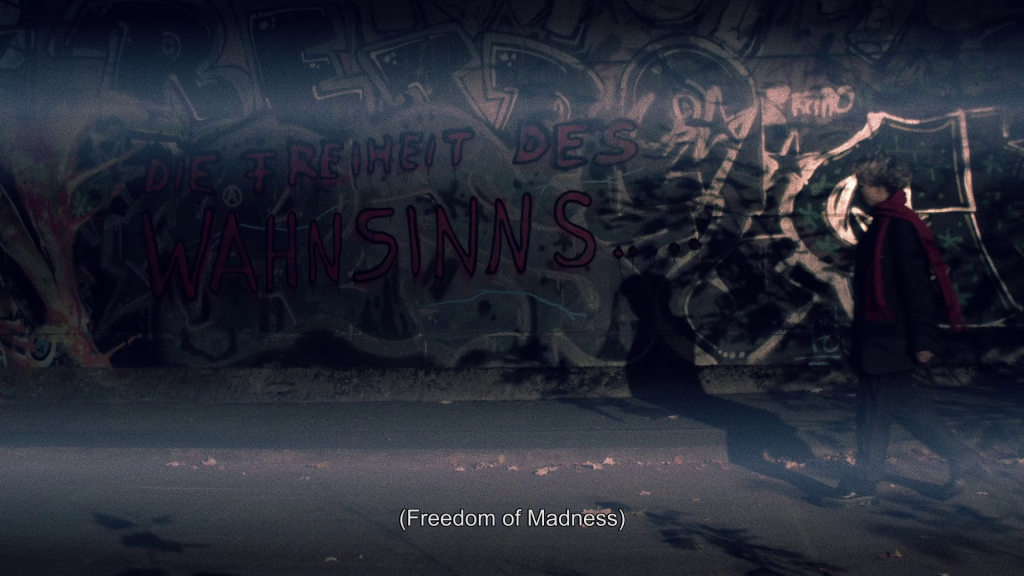
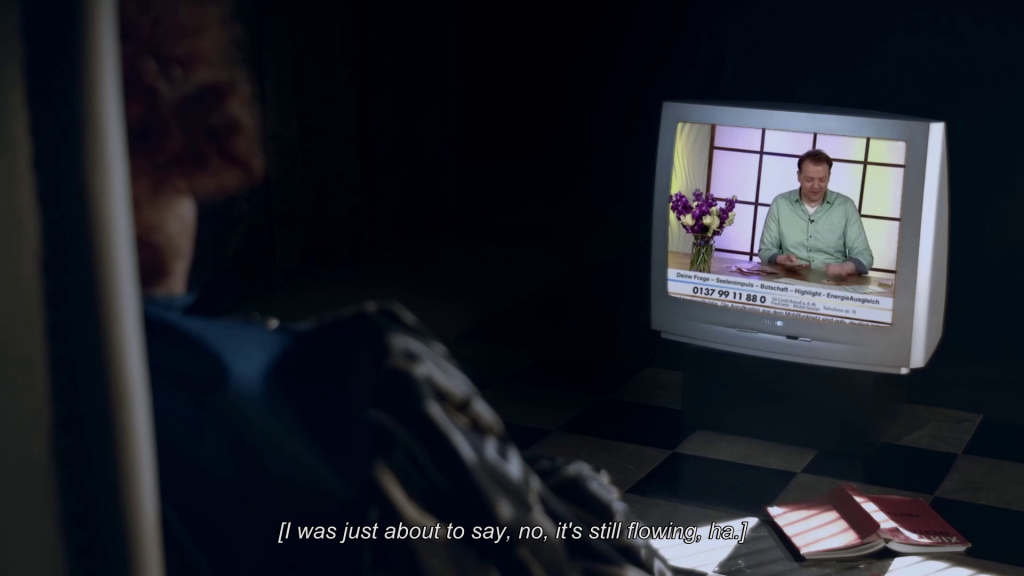
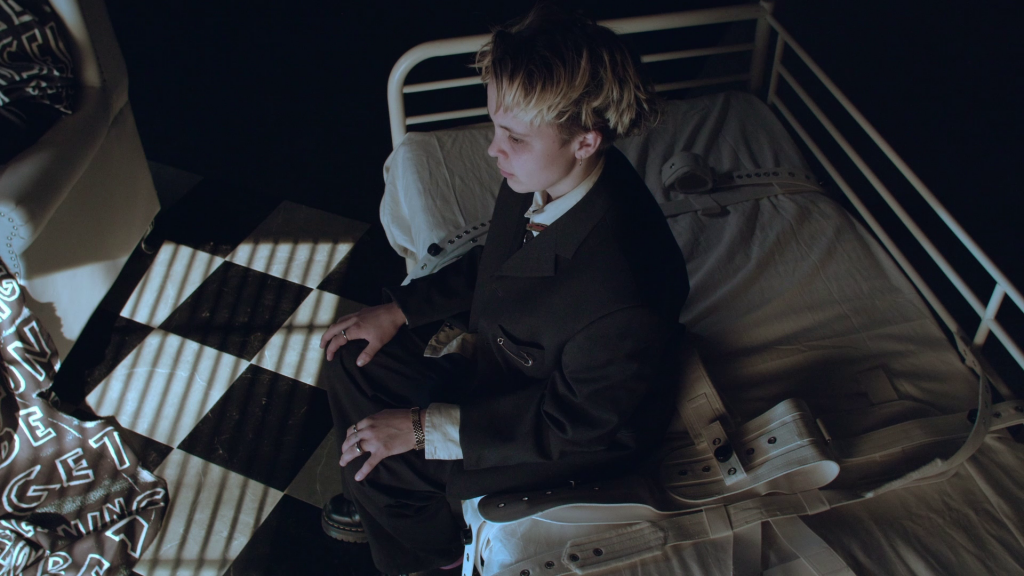
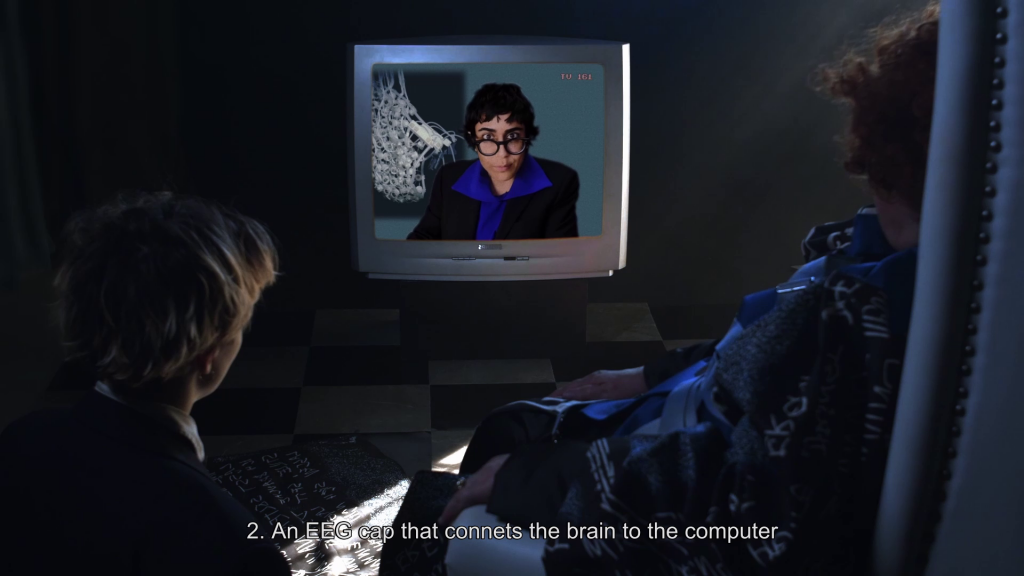
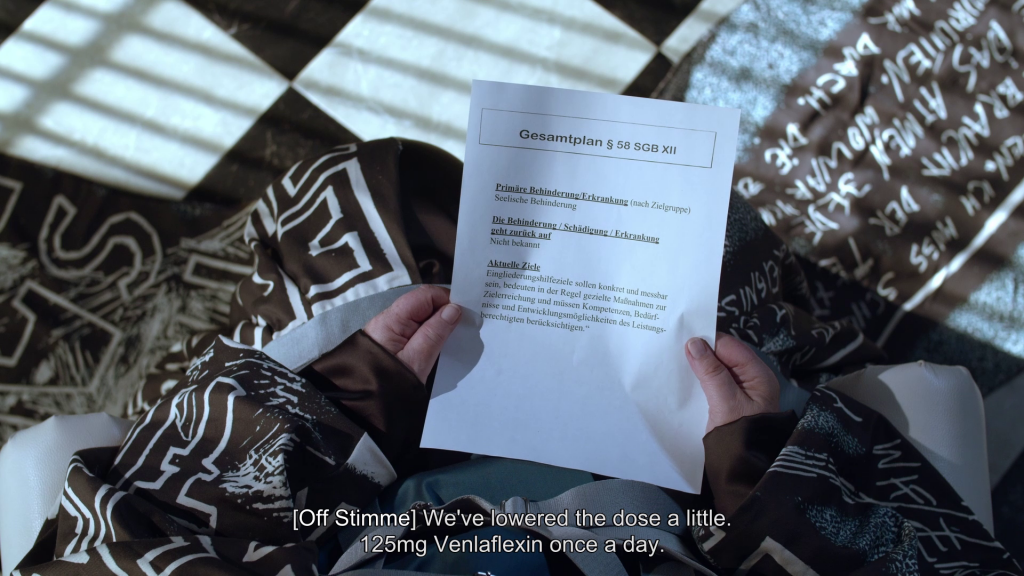
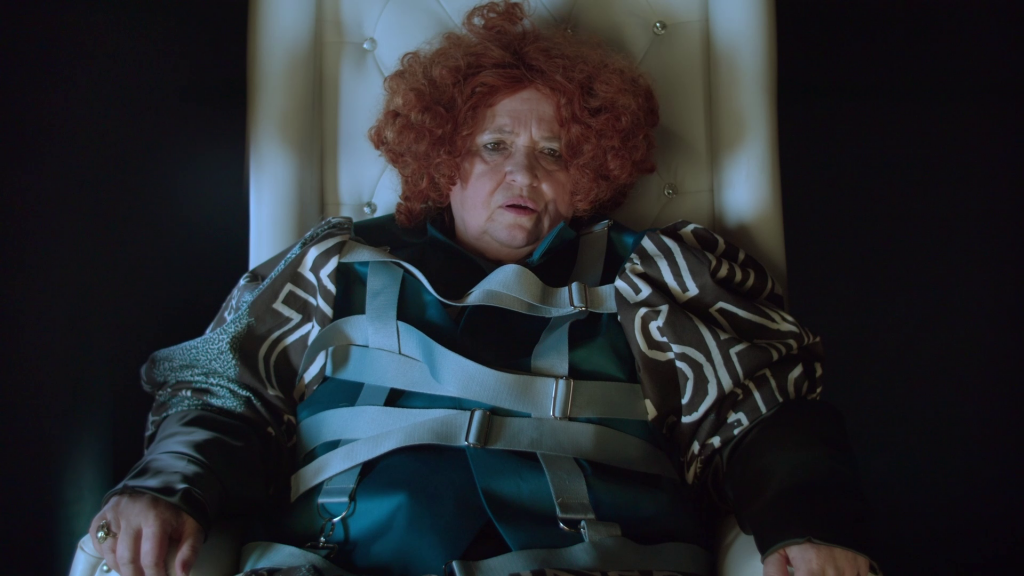
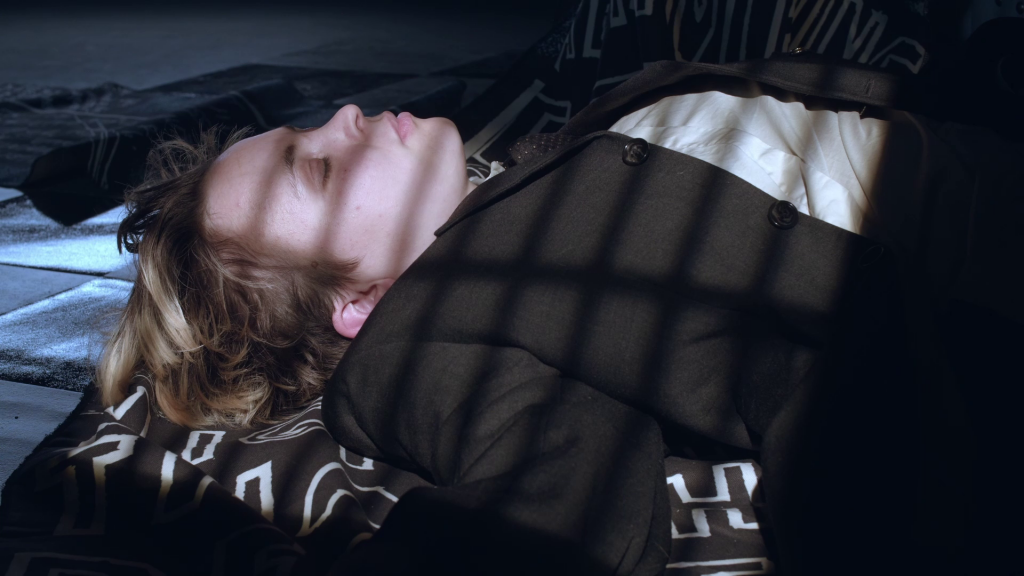
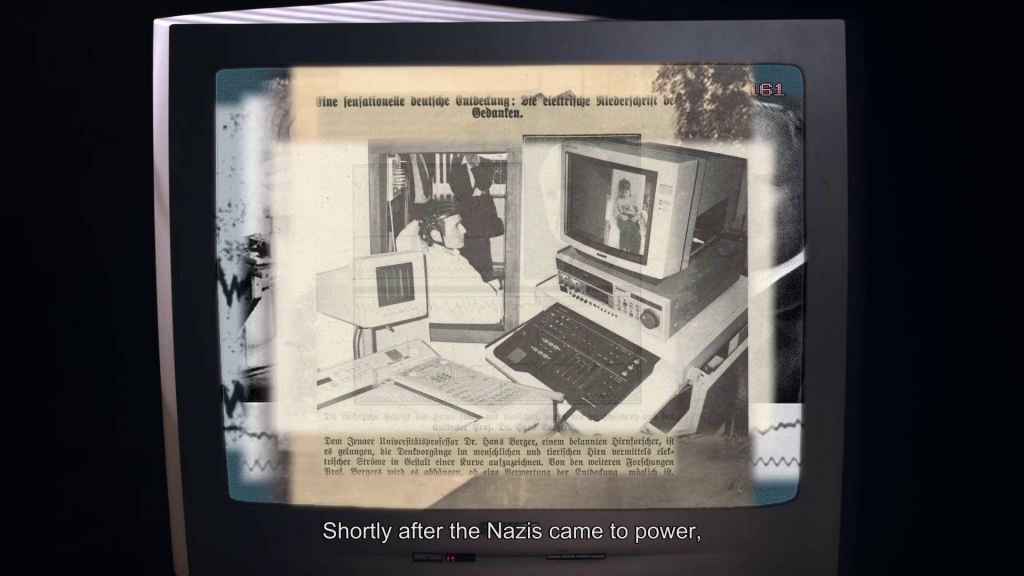
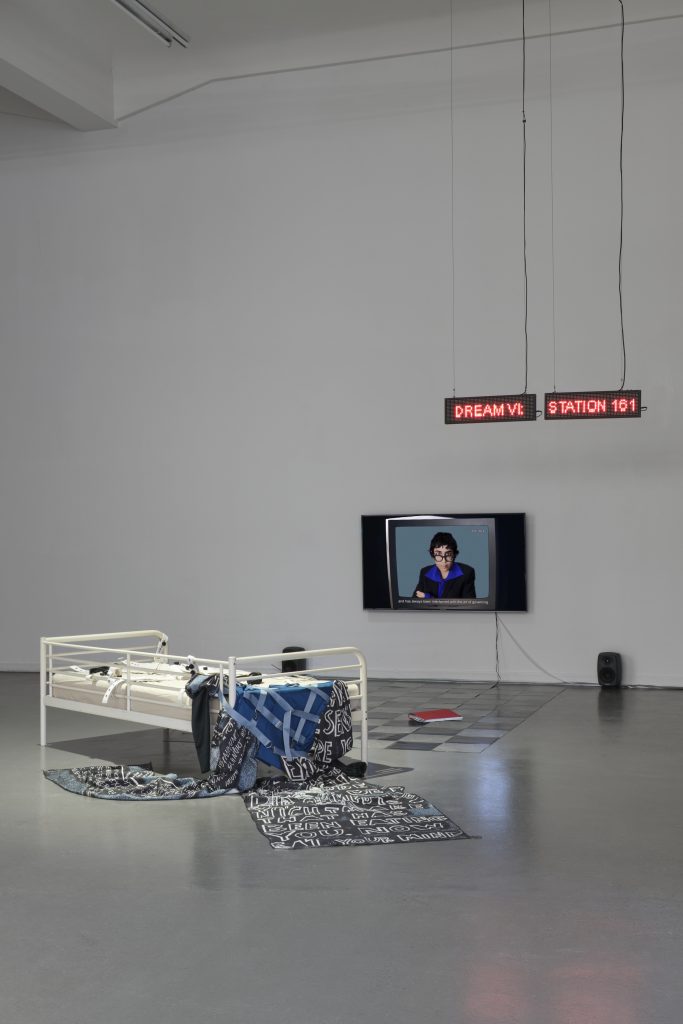
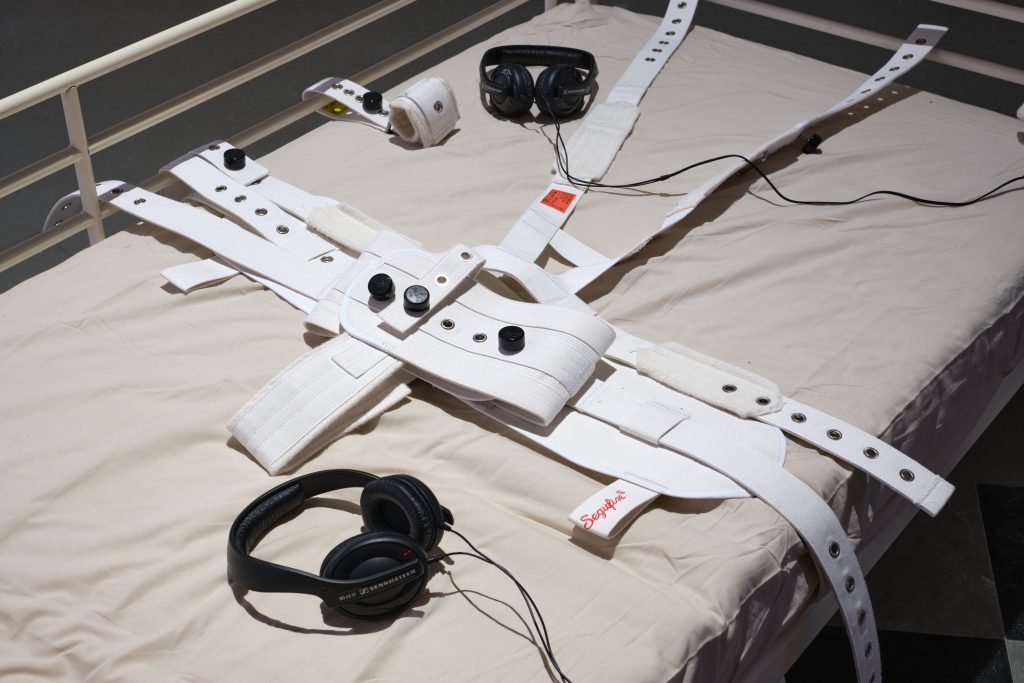
At night, Girl walks alone along the Elbe in a dream. A graffiti reading “Freedom of Madness” initiates the transition to the imaginary psychiatric ward 161. There, her mother MOW (Manic Old Woman) sits enthroned in front of a running television, beside her a bed with restraint straps. Girl hands over licorice and a document from the unemployment office titled “Master Plan.” While a nurse announces a reduction in medication, a television program promoting “critical thinking and unconventional analysis” begins, its content influencing the conversation between mother and daughter. Dream VI: [Station 161] stages psychiatry as a theatrical space in which normativity, media power, and reality become negotiable.
Project:
Dream VI: [Station 161] is a continuation of the multimedia opera project [After her Destruction] and depicts a dream of the auto-fictional character Girl, in which she visits her mother MOW in a psychiatric ward. The scene marks the beginning of the new multimedia opera cycle [The Art of Mind], in which the artist explores the history of madness and its relationship to subjectivity and media in capitalism.
In Dream VI: [Station 161], Krauß draws parallels between theatricality and madness, both in terms of content and visuals. In the scene, she stages psychiatry as a place where normativity and reality are questioned. On Ward 161, mother and daughter meet, sharing intimacy, memories, desires, and fears. In this constellation, the television acts as a third actor, emotionally intervening in their conversations and the atmosphere of the room, and structuring the scene dramaturgically. Madness is not portrayed here as a deficit, but as a place where dominant regimes of perception, productivity, and rationality collapse. Between the restraint straps attached to the bed and a “master plan” drawn up by the employment office, a social matrix becomes apparent, in whose field of tension mother and daughter search for a language.
___
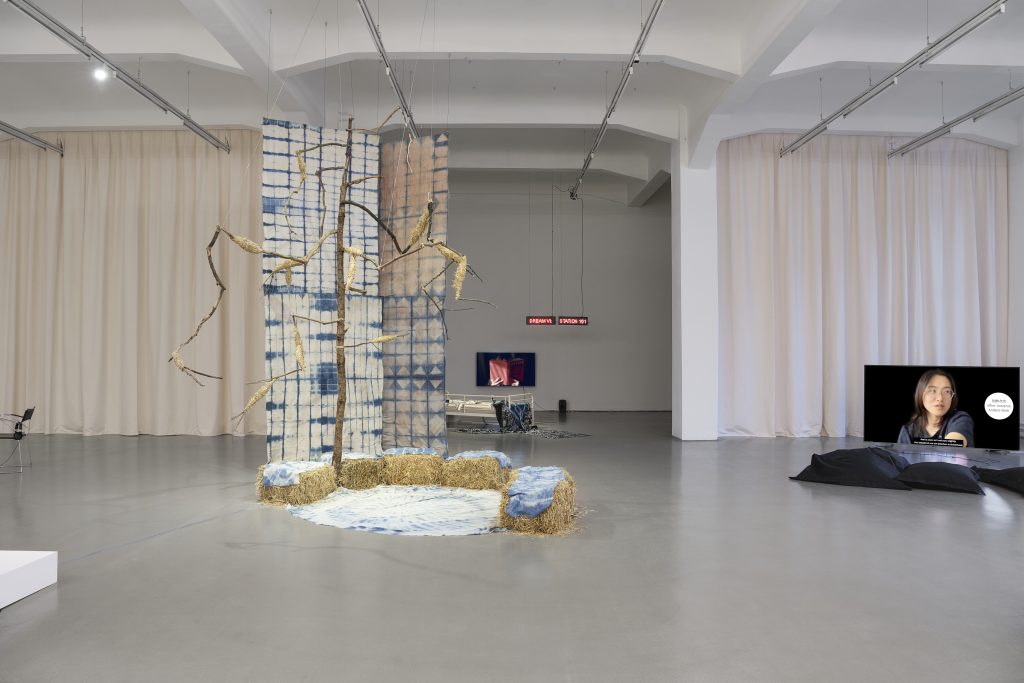
Dream VI: [Station 161] was produced with the support of BKM, Kunsthaus Hamburg and BMWKMS. The work was shown first as an installation in the group show Future Continuous at Kunsthaus Hamburg (05.12.2025-25.01.2026).
Video
STARRING
MOW – Christin Krauß
Girl – Lila-Zoé Krauß
TV Presenter – Tala Al-Deen
Nurse (Voice) – Cennet Rüya Voß
__
Video, Sounddesign, Costume – Lila-Zoé Krauß
Camera – Helena Wittmann
Set Production – Ricarda Schwarz
Light – Julian Gillman
Sound Recordist – Nikoloz Mamatsashvili
Supported by BMWKMS für Medienkunst
Video:
Lila-Zoé Krauß, 2025
Dream VI: [Station 161],
Videomontage, 14‘50
Color, Stereo-Sound
Camera: Helena Wittmann
Links
Trailer
for screener send inquiry to inquiry@lilazoekrauss.com
Stills
Future Continuous – group show at Kunsthaus Hamburg
06.12.2025 – 25.01.2026
Future Continuous
Hamburg Grants for Visual Arts 2025
Participating artists: Francesca Bertin, Maxime Chabal, Wassili Franko, Katharina Kohl, Lila-Zoé Krauß, Nina Kuttler, Ruxin Liu, Katja Pilipenko, Sohorab Rabbey, Kristina Savutsina
The final exhibition of the Hamburg Grants for Visual Arts of the Free and Hanseatic City of Hamburg, entitled Future Continuous, presents the works produced by the recipients of 2025 during their scholarship period, accompanied by the Kunsthaus Hamburg. In spatial, sound and video installations, they address pressing topics of our time, ranging from the examination of ecological interdependence or how we deal with artificial intelligence to an exploration of the history of psychiatry and questions revolving around intimacy and collective care.
The Ministry of Culture and Media Hamburg has been supporting promising Hamburg artists with these grants since 1981.
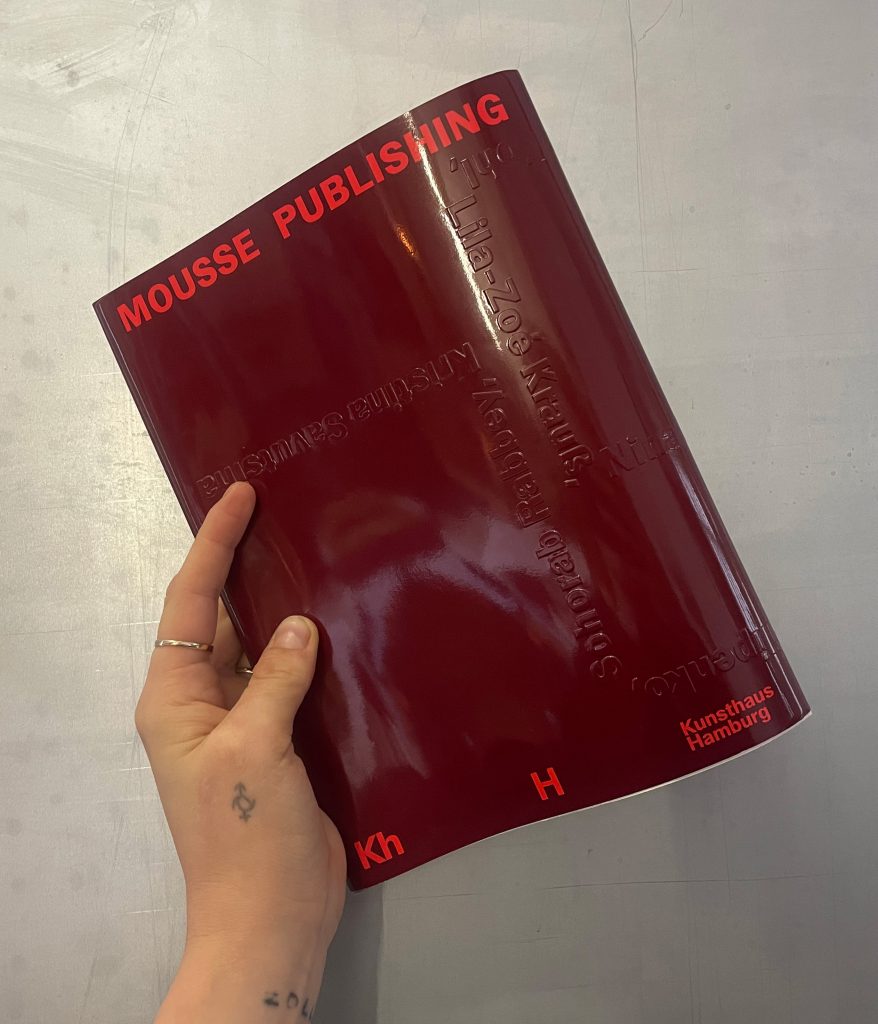
Alongside the exhibition a publication was issued, published and distributed in cooperation with the internationally renowned Mousse Publishing. The catalogue contains essays by various curators and authors, texts on the artists’ new productions as well as a photo series and will be available from December 2025 via Mousse and in the Kunsthaus Hamburg shop.
The exhibition is curated by Jaana Heine.
Fotos:
Installation View: Antje Sauer
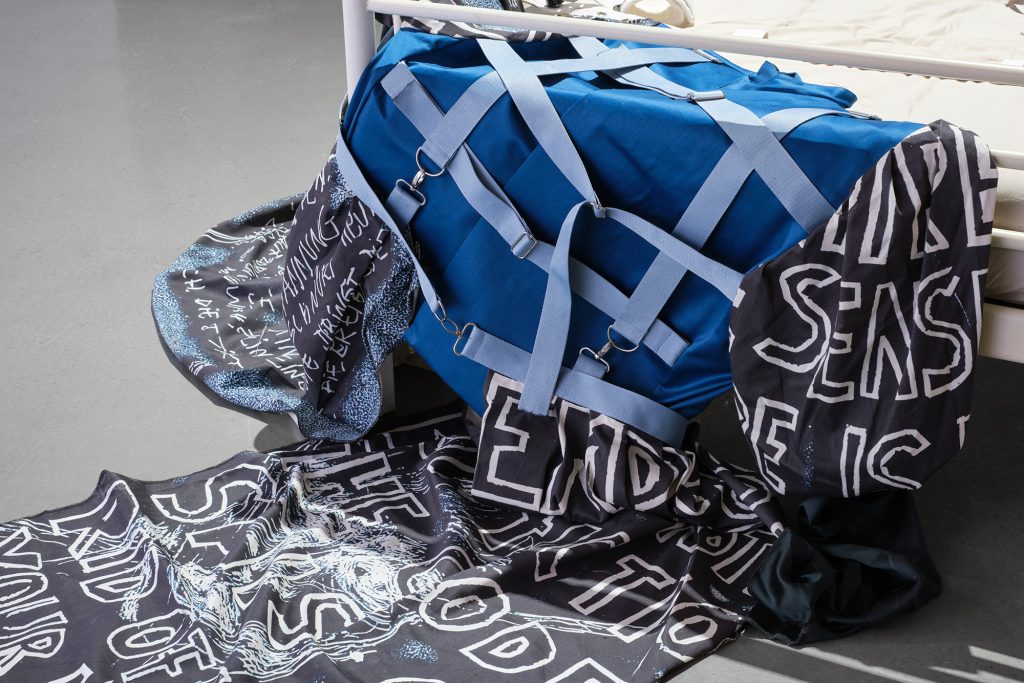
Lila-Zoé Krauß, Dream VI: [Station 161], 2025,
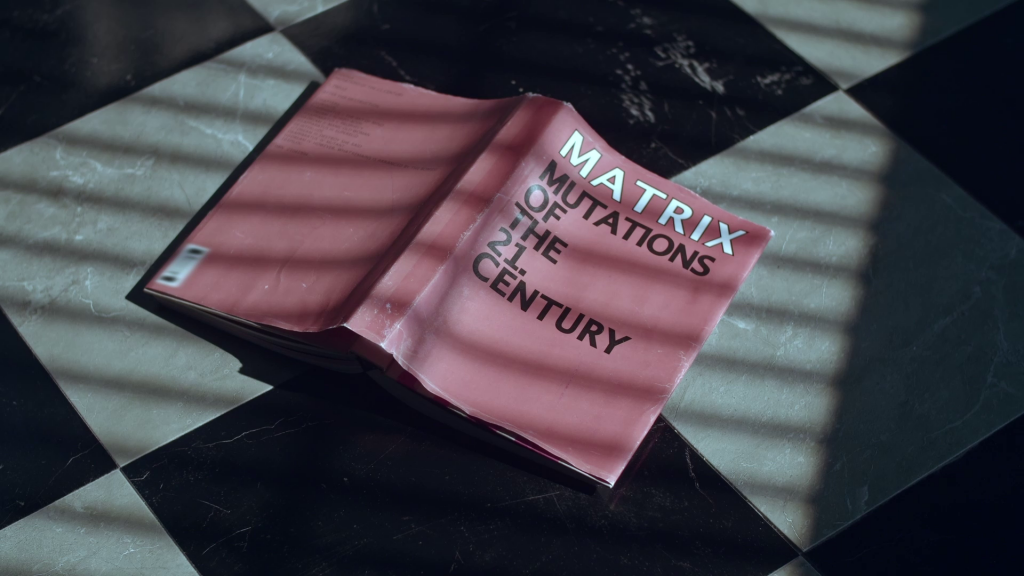
Multimedia Installation: Metal bed, fixation straps, costume, LED-signs,
leather book – Matrix: Mutations of the 21st Centur
Mousse Magazine – Publication
Future Continuous (Read FULL TEXT by SARAH CROWE)
The publication Future Continuous is issued as part of the Hamburg Grants for Visual Arts 2025 and the accompanying eponymous exhibition. The Grants for Visual Arts of the Free and Hanseatic City of
Hamburg provide fascinating insights into the city’s production of art and its recent developments. The final exhibition, curated by Jaana Heine, presents the works produced by the 2025 grant recipients—
Francesca Bertin, Maxime Chabal, Wassili Franko, Katharina Kohl, Lila-Zoé Krauß, Nina Kuttler, Ruxin Liu, Katja Pilipenko, Sohorab Rabbey, and Kristina Savutsina—during their scholarship period, accompanied
by the Kunsthaus Hamburg. Through spatial, sound, and video installations, the artists address pressing topics of our time, ranging from the from ecological interdependence and our relationship with artificial intelligence to the exploration of the history of psychiatry, intimacy, and collective care.
Edited by Jaana Heine, Anna Nowak, and Lea Ziegler
Texts by Eglė Ambrasaitė, Carsten Brosda, Sarah
Crowe, Anne Daffertshofer, Josefina Dux, Belinda
Grace Gardner, Birgit Glombitza, Jaana Heine, Lesia
Hudz, Anna Nowak, Melanie Roumiguière, Agnessa
Schmudke, Christopher Wierling
2025
German / English
160 pages
Softcover with staple binding, 17 × 23 cm
ISBN 978-88-6749-725-6
€ 25 / $ 30